

The Stem Cell Revolution
Rebuilding the Body from the Inside Out

As a regenerative medicine specialist, I've spent years delving into the intricacies of the human body, witnessing firsthand how stem cells and peptides can transform lives.
The body is an extraordinary system, equipped with mechanisms for self-repair that often operate silently until they break down. I've treated elite athletes derailed by persistent injuries and executives crippled by autoimmune exhaustion, where the immune system wages war on itself.
These aren't abstract cases; they're the driving force behind my work in regenerative medicine.
The Global Market
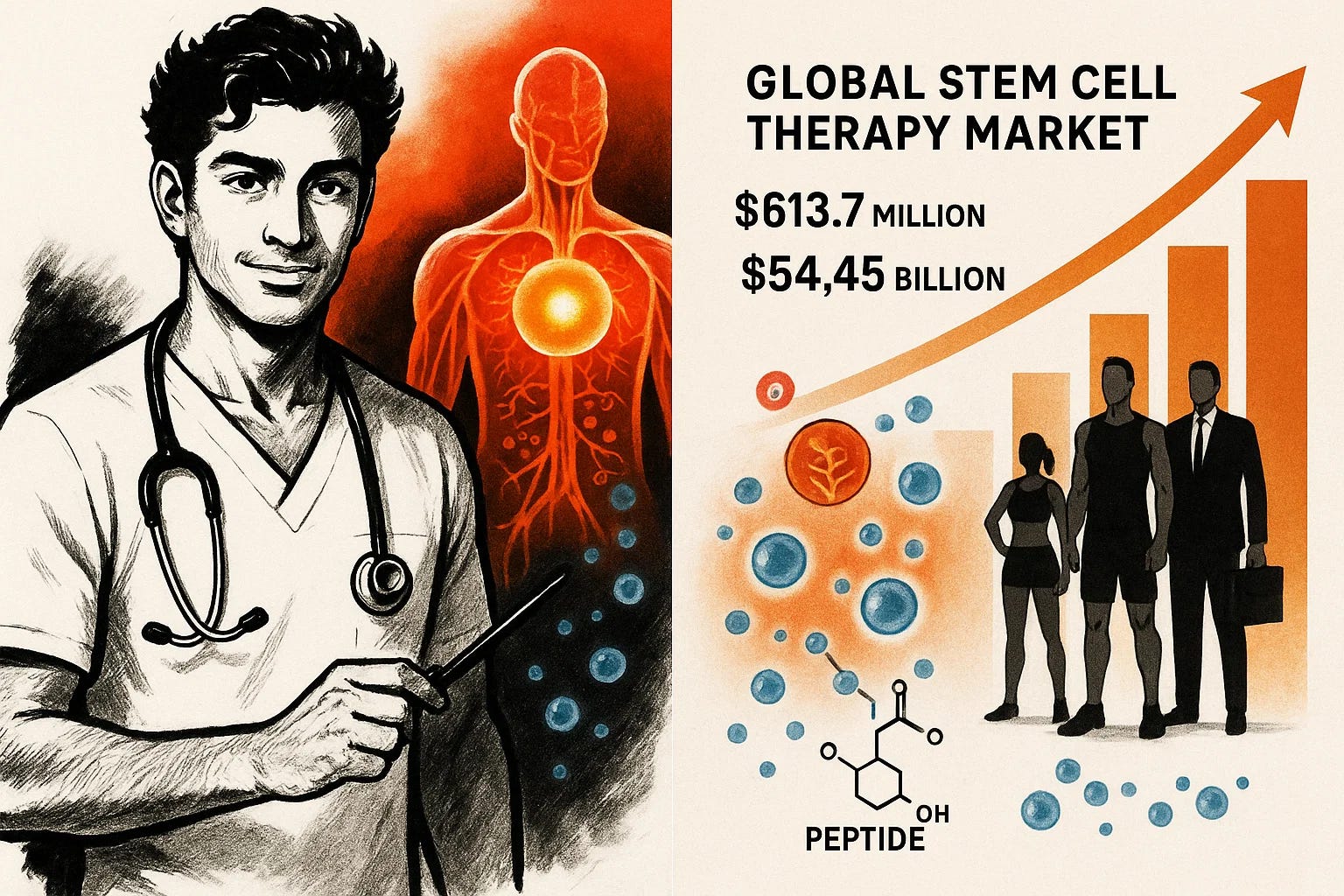
Today, with the global stem cell therapy market valued at around $613.7 million in 2025 and projected to soar to $54.45 billion by 2034, fueled by breakthroughs in personalized therapies, we're on the cusp of shifting from mere symptom management to fundamentally reprogramming our biology.
Stem cells aren't one-size-fits-all; their true strength emerges from their variety, something I've emphasized in my clinics.
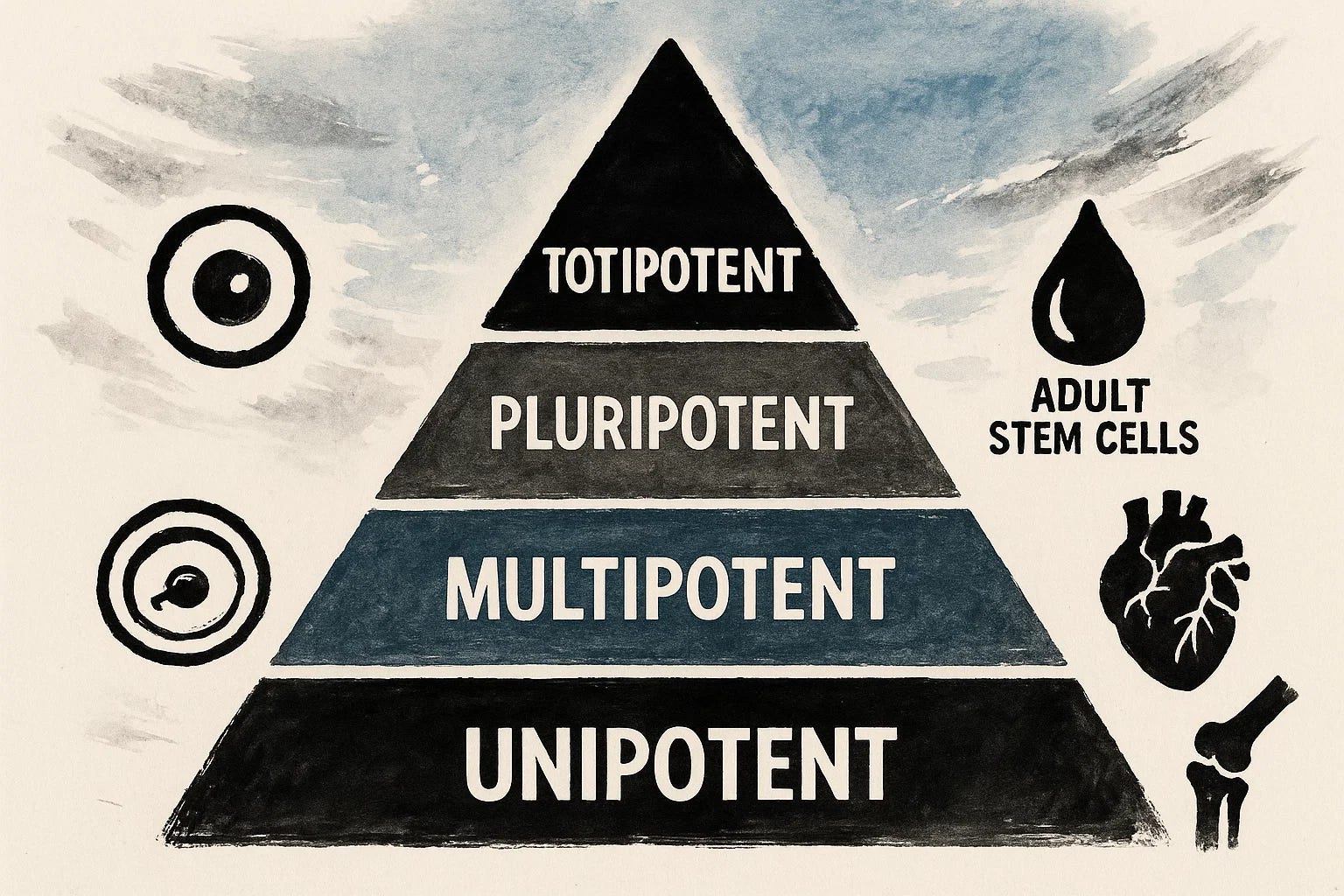
Totipotent stem cells, akin to those in a zygote, possess the blueprint for an entire being.
Embryonic stem cells, which stirred ethical storms back in the Bush era, deliver immense potential but come with the peril of unchecked growth leading to tumors.
Mesenchymal stem cells (MSCs), sourced from bone marrow or umbilical cords, are multipotent specialists in mending musculoskeletal tissues, though their survival after injection remains a challenge I've navigated often.
Then there's the revolutionary induced pluripotent stem cells (iPSCs), which I reprogram from adult cells using Yamanaka factors—a Nobel Prize-winning innovation from 2014. These emulate embryonic cells without the ethical baggage, yet tumorigenicity has slowed their widespread adoption.
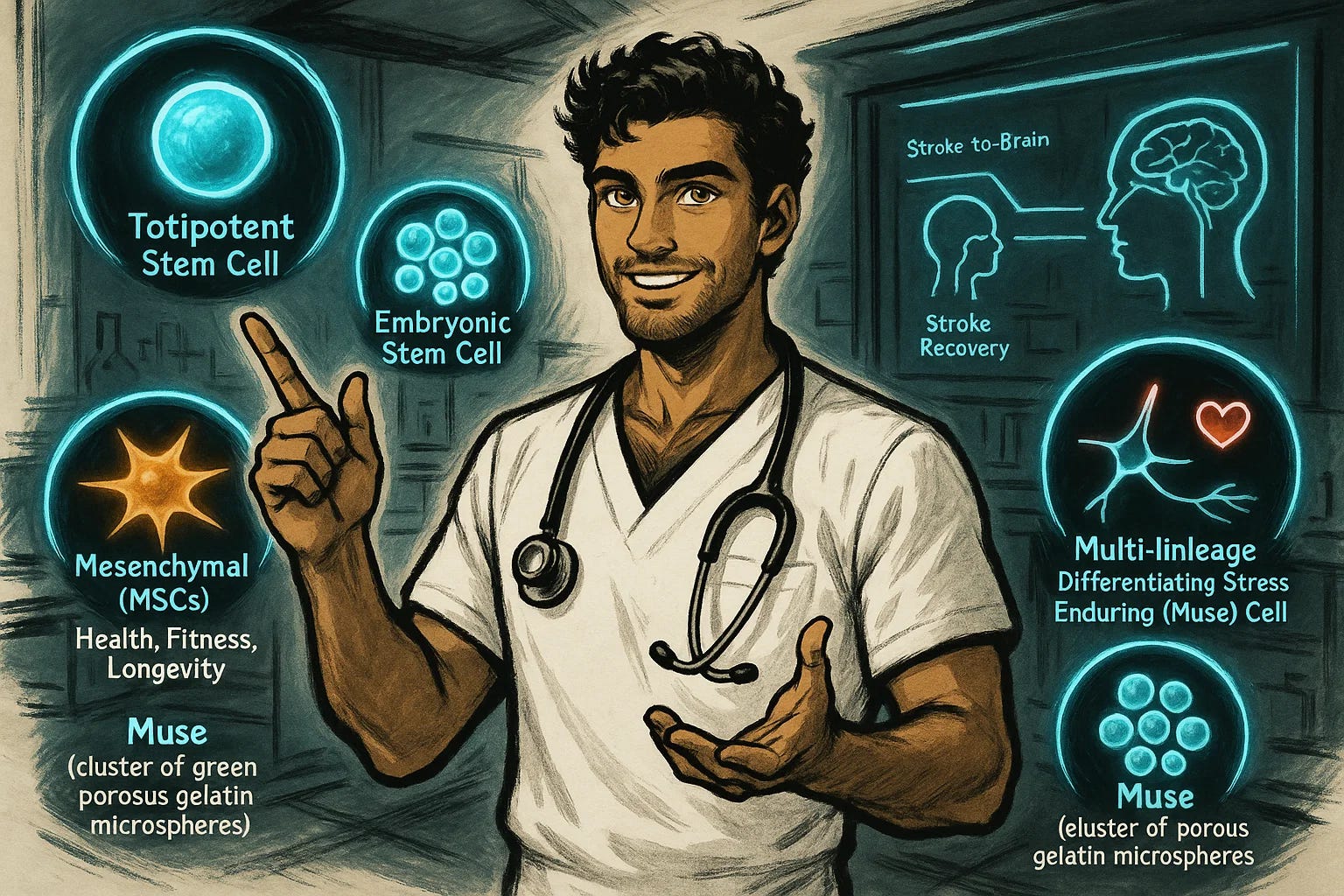
Among these, Multi-lineage Differentiating Stress Enduring (Muse) cells have become a cornerstone of my approach.
Discovered by Professor Mari Dezawa, these naturally circulating, pluripotent-like cells are resilient survivors that zero in on damaged areas through chemokine signals. They engulf debris via phagocytosis and morph into the required cell types, rebuilding heart muscle post-attack or neurons after strokes.
In my experience, their stress endurance makes them ideal for harsh bodily environments.
Recovery & Results
Recent 2025 studies reinforce this: nose-to-brain delivery has shown enhanced recovery in ischemic stroke models, while enriching Muse cells in MSCs amplifies therapeutic effects.
Hypoxia treatments boost their pluripotency in bone marrow MSCs, and 3D cultures on porous gelatin microspheres enable scalable production.
I've seen Phase 2 trials for ALS and stroke validate their promise, and in athletes, they respond to training-induced damage for quicker recovery.
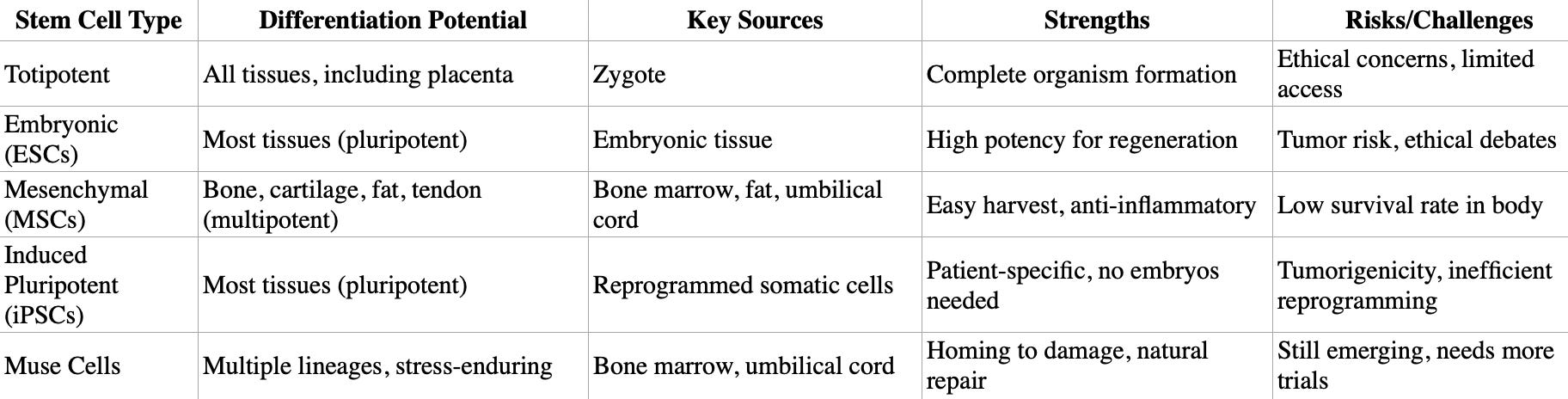
To break it down, here's how I categorize the main stem cell types in my practice:
In my clinic, chronic pain dominates the reasons patients seek stem cell therapy, osteoarthritis, degenerative disc disease, and shoulder and hip issues.
With over 32 million U.S. adults affected by osteoarthritis according to the CDC, it's a growing crisis as societies age. Stem cells, in my hands, modulate the immune response, shifting cells from pro-inflammatory to anti-inflammatory modes to fight "inflammaging."
For autoimmune disorders like rheumatoid arthritis or lupus, impacting 24 million Americans, the immunomodulatory power of MSCs provides a path beyond harsh immunosuppressants, tackling the epidemic I've observed firsthand.
Biology & Aging
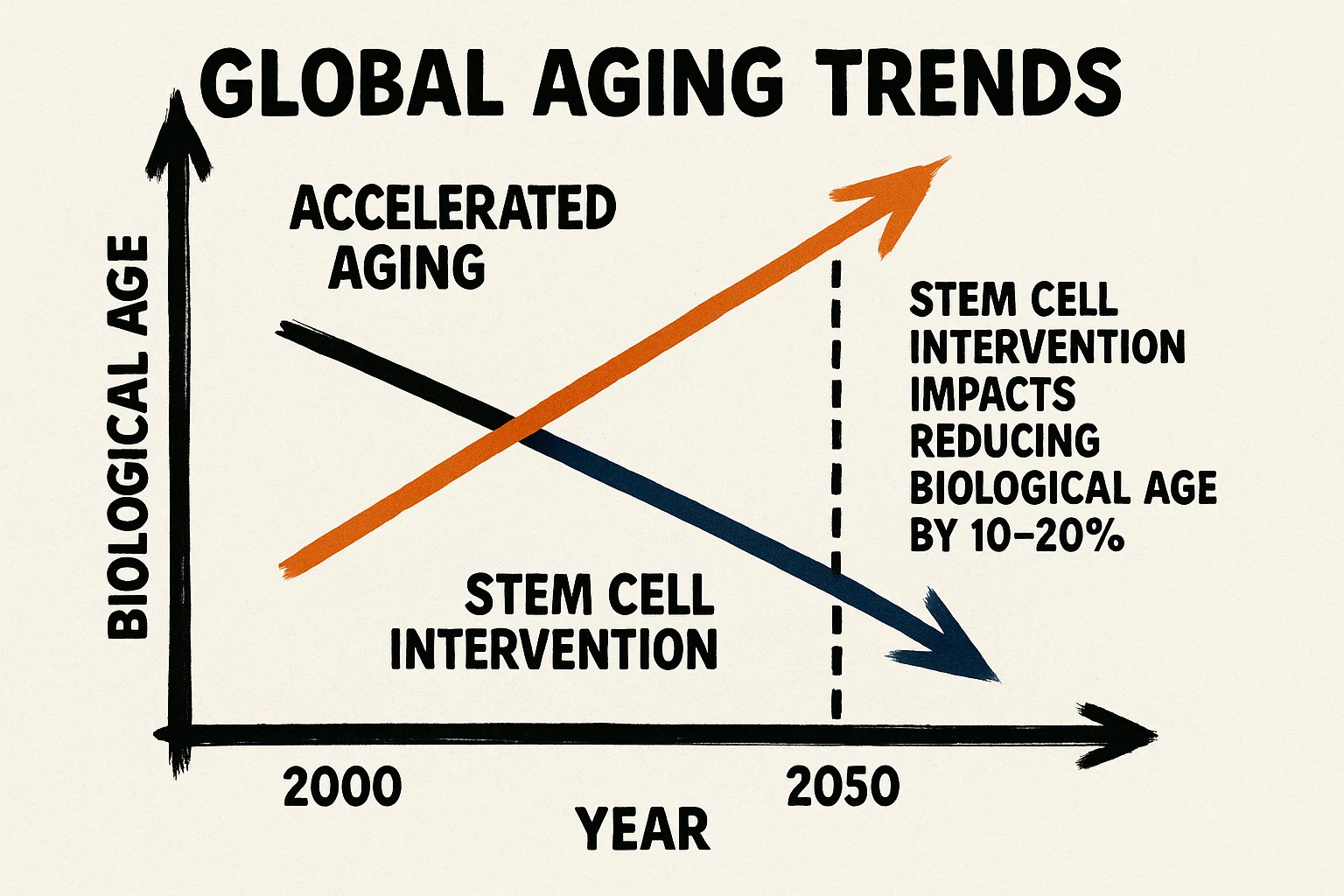
Aging, that intricate degenerative cascade, is where stem cells truly shine in my longevity protocols. By promoting mitophagy and mitochondrial repair, they address metabolic declines leading to obesity and low energy.
Tools like Generation Lab's tests measure biological noise (gene expression variances and DNA damage) allowing me to quantify how interventions slow aging.
For athletes, stem cells expedite recovery from micro-injuries, letting them train harder. WADA deems intravenous stem cells as doping, which speaks to their potency. I've worked with figures like Tiger Woods, who turned to stem cells for knee woes, or Cristiano Ronaldo for muscle optimization.
Here, Mel Gibson and Dr. Neil Riordan join Joe Rogan to share how stem cell therapy dramatically improved Gibson's father's health at 92, illustrating the real-life impact I've seen in regenerative treatments.
The unitary theory of aging, which I subscribe to, blames mitochondrial dysfunction for much of our decline, with free radicals assaulting DNA, proteins, and lipids.
I always recommend antioxidants from whole foods such as blueberries with meals or Lindt dark chocolate to counter this, especially alongside high-heat cooking with avocado oil from Chosen Foods to avoid harmful compounds like heterocyclic amines.
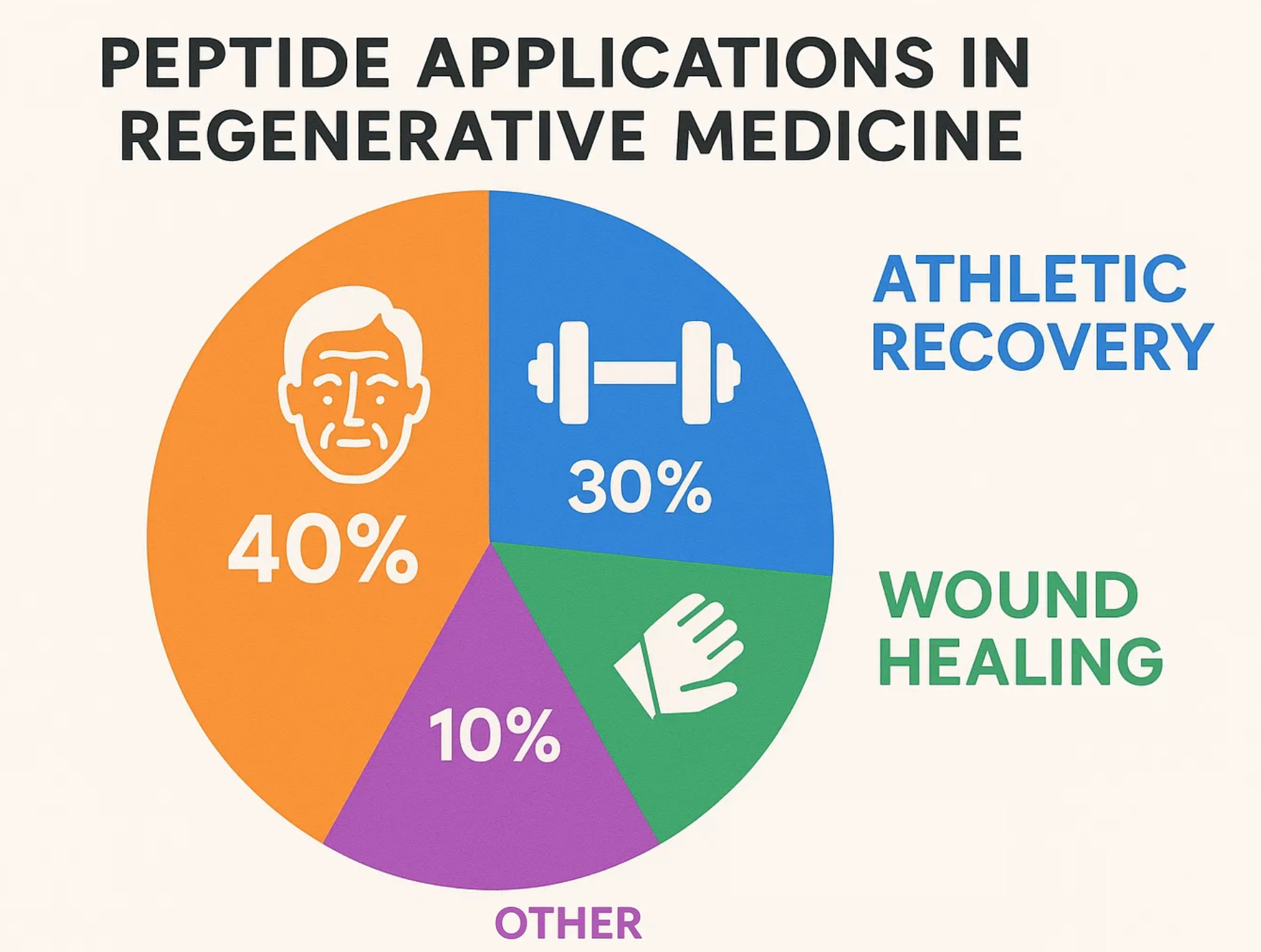
Peptides complement stem cells in my regimens, serving as precise messengers for repair and longevity.
BPC-157 speeds tendon healing, while SS-31 fortifies mitochondrial membranes, outperforming omega-3s from Nordic Naturals.
In 2025, advancements like AAGP predictors for anti-aging peptides and "Wolverine Stacks" for energy and reversal are transforming the field. For performance, Ipamorelin elevates growth hormone, akin to protocols I've advised for athletes like Conor McGregor. Emerging peptides target specific outcomes, from fat loss to tissue repair.
The cellular microenvironment is crucial in my treatments; an inflamed body undermines stem cell efficacy.
Treatment Protocols
I prescribe pre-treatment protocols such as:
Peptides like TB4 or IL10 to dampen inflammation and post-treatment with growth hormone boosters for better survival.
Lifestyle adjustments, vagus nerve stimulation through Calm apps or steering clear of alcohol's neurotoxicity, optimize this environment.
Emotional stress management, I've seen this sabotage outcomes because it drives neuroinflammation; addressing it via Headspace mindfulness is key.
Andrew Huberman breaks down peptide therapeutics, highlighting their roles in tissue repair, longevity, and performance, insights that align with my clinical applications.
Hurdles remain: tumor risks with iPSCs, U.S. regulatory limits on cell expansion, and ethical sourcing.
Yet, with the U.S. cell therapy market eyeing $46.26 billion by 2034 at a 21.46% CAGR, progress is undeniable. I advocate starting stem cells prophylactically in one's 30s to prevent accelerated aging, redefining healthspan.
Through my work, regenerative medicine isn't about cheating nature. It's about amplifying its wisdom.
From Muse cells healing strokes to peptides fueling vitality, the future I envision is one of proactive renewal.
Thank you for being a pioneer at the forefront of regenerative medicine and for breaking down barriers in this field. I believe the next 5-10 years will be revolutionary, to say the least, and the revolution has already begun.